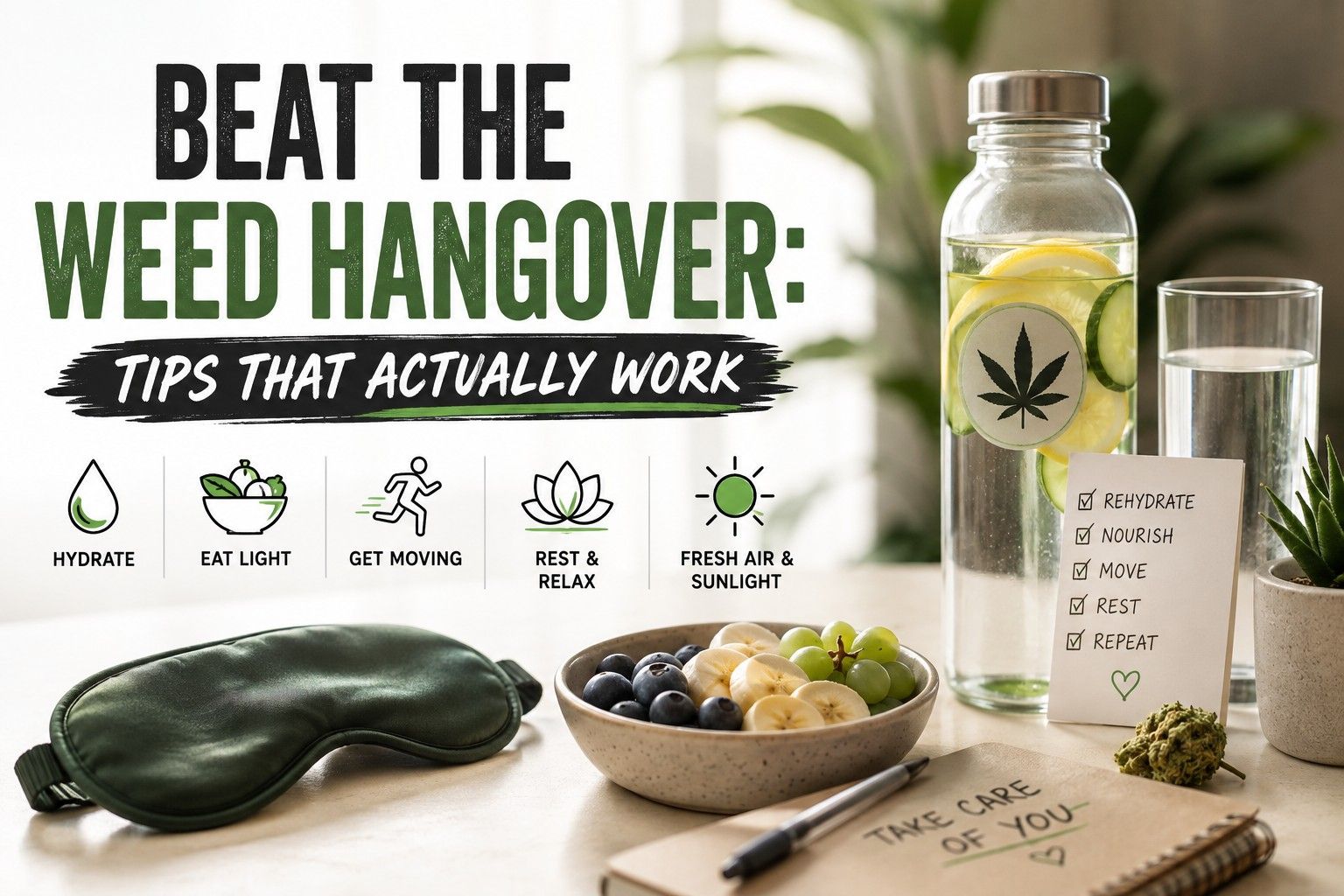
A weed hangover refers to the lingering, next-day effects some people feel after using cannabis — things like grogginess, brain fog, and dry mouth. It's different from an alcohol hangover in both symptoms and severity, and while research on the topic is still limited, anecdotal reports and a handful of small studies suggest it's a real, if generally mild, phenomenon.
What Is a Weed Hangover?
A weed hangover is a casual term for the after-effects that can show up the morning following cannabis use, especially after a heavier session. It's not a formally recognized medical diagnosis, but it's a commonly reported experience among cannabis users.
Is a Weed Hangover the Same as an Alcohol Hangover?
Not quite. Alcohol hangovers are driven largely by dehydration and the way the body metabolizes alcohol's byproducts, which is why they tend to come with more intense physical symptoms like nausea and vomiting. Weed hangovers are generally milder and are thought to relate more to lingering cannabinoid effects, disrupted sleep, and mild dehydration rather than the same metabolic process alcohol triggers.
Common Weed Hangover Symptoms
Reported symptoms tend to be mild-to-moderate and typically include:
- Fatigue or lethargy
- Brain fog or trouble concentrating
- Dry mouth and dry eyes
- Headache
- Mild nausea
- General grogginess
Not everyone experiences all of these, and severity varies a lot from person to person.
What Causes a Weed Hangover?
Overconsumption
Using more cannabis than your body is used to — especially in one sitting — is one of the most commonly cited triggers.
Dehydration
Cannabis can contribute to dry mouth and, indirectly, mild dehydration, which can make morning-after symptoms like headaches feel worse.
Disrupted Sleep
THC can affect sleep architecture, including REM sleep, which may leave you feeling groggy or unrested even after a full night's sleep.
Product Type and Potency
Edibles metabolize more slowly than smoked or vaped cannabis, which means their effects — Not all cannabis products carry the same hangover risk.
|
Factor |
Lower Hangover Risk |
Higher Hangover Risk |
|---|---|---|
|
Product Type |
Flower, vapes |
Edibles (slower onset, longer-lasting) |
|
Potency |
Lower-THC products |
High-THC products |
|
Consumption Pattern |
Moderate, planned use |
Heavy or repeated use in one session |
including next-day grogginess — can last longer and hit harder if you overdo it. Higher-THC products are also more frequently associated with stronger hangover-like effects the next day, though individual tolerance plays a big role too.
Weed Hangover or Something Else?
Not every rough morning after cannabis use is technically a "hangover." A few other possibilities worth ruling out:
Mixing Substances
If you used alcohol or other substances alongside cannabis, that combination — not the weed alone — may be behind how you feel.
Cannabis Withdrawal
Regular, frequent users can experience withdrawal symptoms like irritability, insomnia, or trouble focusing when they cut back or stop, which can look similar to a hangover but stems from a different cause.
Lingering High
Depending on the dose, potency, and method of consumption, a cannabis high itself can last several hours — so what feels like a "hangover" might just be the tail end of the high itself if it's been less than five or six hours since use.
How Long Does a Weed Hangover Last?
Most reported weed hangovers resolve within 24 hours, and many people feel back to normal after a good night's sleep. Symptoms tend to be most noticeable in the first few hours after waking and typically fade gradually throughout the day.
How to Get Rid of a Weed Hangover
There's no instant fix, but these steps can help you feel better faster:
-
Hydrate. Water is the simplest way to ease headaches, dry mouth, and dry eyes.
-
Eat a balanced meal. A mix of whole-grain carbs, protein, and healthy fats can help settle your stomach and restore energy.
-
Get moving, gently. Light activity like a short walk can help clear brain fog.
-
Take a warm shower. The steam can help you feel more alert and refreshed.
-
Try ginger tea. It may help ease mild nausea or an unsettled stomach.
-
Consider CBD. Some people find that low-THC or CBD-only products help take the edge off residual effects, though evidence here is largely anecdotal.
-
Use an over-the-counter pain reliever if needed for a persistent headache.
-
Give yourself time. Rest is often the biggest factor in feeling normal again.
Can You Prevent a Weed Hangover?
The only guaranteed way to avoid one is not using cannabis, but these habits can lower your risk:
-
Know your limit. Decide on an amount before you start, especially with edibles.
-
Start low with new products. Potency and effects vary by product, so go slow when trying something unfamiliar.
-
Avoid mixing substances. Combining cannabis with alcohol or other substances increases the odds of feeling rough the next day.
-
Don't use the night before something important. If you're prone to next-day grogginess, plan cannabis use around your schedule.
-
Take regular breaks. Frequent, daily use can build tolerance and increase the risk of withdrawal-related symptoms that mimic a hangover.
-
Choose your product type thoughtfully. If you're hangover-prone, lower-THC flower or vapes may be gentler than high-potency edibles.
When to Talk to a Doctor
Occasional grogginess after cannabis use isn't usually a cause for concern. But if you're regularly experiencing hangover-like symptoms, it may be worth taking a closer look at your usage patterns. Signs that it may be time to check in with a healthcare provider include using cannabis daily, feeling unable to cut back, needing more over time to get the same effect, or noticing that cannabis use is interfering with work, sleep, or relationships.
Frequently Asked Questions
What Is a Weed Hangover?
A weed hangover is a casual term for the lingering next-day effects of cannabis use, such as fatigue, brain fog, dry mouth, and mild headache. It's not a formal medical diagnosis, but it's a commonly reported experience.
How Long Does a Weed Hangover Last?
Most weed hangovers resolve within 24 hours, often improving significantly after a full night's sleep. Symptoms are usually mildest by midday and continue to fade throughout the day.
How Do You Get Rid of a Weed Hangover Fast?
There's no instant cure, but staying hydrated, eating a balanced meal, getting light movement, and resting can help ease symptoms. A warm shower and ginger tea may also help with grogginess and mild nausea.
Is a Weed Hangover the Same as an Alcohol Hangover?
No. Weed hangovers are generally milder and are linked more to lingering cannabinoid effects and disrupted sleep, while alcohol hangovers are driven largely by dehydration and alcohol's metabolic byproducts.
Do Edibles Cause Worse Weed Hangovers Than Smoking?
Often, yes. Edibles are metabolized more slowly than smoked or vaped cannabis, so their effects — including next-day grogginess — can last longer and feel more intense, especially if the dose was higher than intended.
Does Strain or THC Potency Affect Hangover Severity?
It can. Higher-THC products are more frequently associated with stronger next-day effects, though individual tolerance, dose, and consumption method all play a role in how a person feels the next morning.
Is It a Weed Hangover or Cannabis Withdrawal?
A hangover is a short-term, next-day effect from a single session, while withdrawal happens in regular users who cut back or stop, and can include irritability, insomnia, or trouble focusing over a longer period.
Can CBD Help with a Weed Hangover?
Some people report that CBD or low-THC products help take the edge off residual effects, though this is based mostly on anecdotal reports rather than strong clinical evidence.
Are Weed Hangovers Dangerous?
Weed hangovers are generally mild and not considered dangerous on their own. That said, frequent hangover-like symptoms could be a sign of overuse and are worth discussing with a healthcare provider.
Can You Prevent a Weed Hangover Completely?
The only guaranteed way is to avoid cannabis altogether, but pacing your use, starting low with new products, and avoiding mixing substances can significantly reduce your risk.