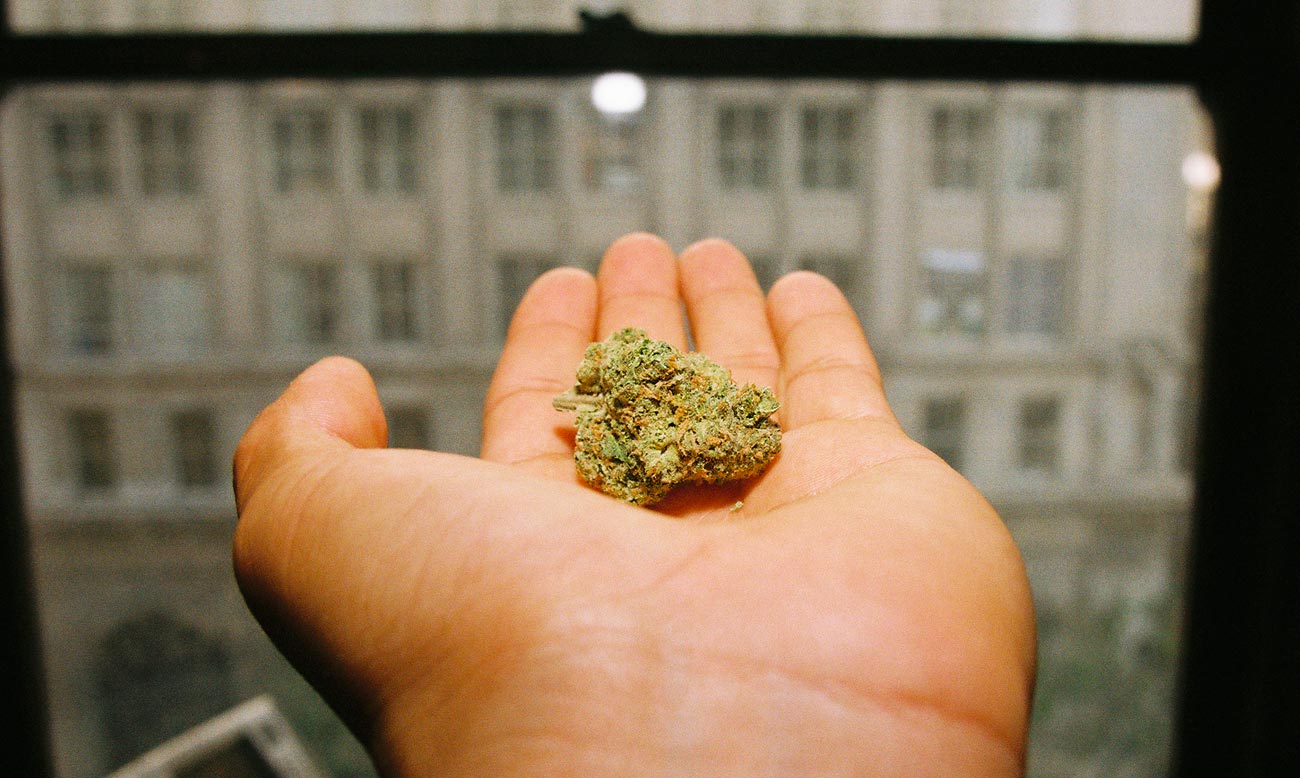
Terpenes
Terpenes are naturally occurring hydrocarbon compounds found in plants that give each individual strain it's distinct smell and flavor. Beyond smell however, terpenes possess specific benefits and effects. When taken together, terpenes and cannabinoids can produce beneficial outcomes.
Common terpenes:
- Myrcene : Funky and Earthy smell with hints of sweet. Can be an anti-inflammatory and depressant. Common indica profile.
- Limonene: Smells of citrus. Tangy and sour, proven to help against cancers and obesity. Antifungal.
- Linalool: Flowery smell, helps enhance the immune system and sharpen fine motor skills as well as anti-inflammatory benefits.
- Pinene: A terpene also found in pine needles, it is responsible for the distinct smell of pine. It's benefits include reduced oil production in oily skin, cancer fighting, blocking inflammation, and stimulating antibiotic properties.
- Caryophyllene: Spicy flavor and smell. Can help reduce muscle aches, a natural antioxidant, and has cancer fighting properties.
2. Indica
Indica flowers are typically short and bushy, giving off a darker green color. It's known for being a good relaxing agent, acting as a sedative, relieving pain, and stimulating the appetite. Because of these inherent properties, it's been popularly used in the evening.
3. Sativa
Sativa plants are skinnier and taller than it's bushy counterpart, and produce long light-green colored leaves. It's effects are commonly stimulating, giving one a boost of energy, helping increase focus and ease depression. Because of it's high functionality, it's commonly used in the daytime.
4. Hybrid
Hybrid strains are a mix of Sativa and Indica and the effects mix, mingle and vary depending on the specific dominance carried within the plant.
5. Cannabidiol (CBD)
A chemical compound that can be extracted from both Hemp and Marijuana plants, this non-psychoactive ingredient is attributed to many benefits, such as easing migraines, decreasing seizures, reducing joint pain, and calming anxiety.
6. Tetrahydrocannabinol (THC)
Found within the resin secreted by glands of the Cannabis plant, this is the compound responsible for most psychoactive effects of cannabis, as it acts similar to the cannabinoid chemicals made naturally in our bodies. It stimulates cells in the brain to release dopamine, causing a light and happy sensation, and can also induce hunger and delayed motor control.
7. Tetrahydrocannabinolic Acid (THCa)
This neutral, non-psychoactive compound is found in both raw and live plants, which turns into THC after the buds and flowers are treated and dried. Heat must be introduced to this compound in order for it to convert into a psychoactive substance. Research has found this substance to be an effective anti-inflammatory, cure to nausea, and pain reliever.
8. Concentrates
Extracted waxy byproduct of the Cannabis plant that can be consumed through vaporizing or smoking. Known for being potent, it's concentrates often range an average of 80%, as compared to the 10-30% THC potency found in flowers.
9. Sauce
A terpene rich liquid, it has a runny and syrupy consistency often combined with solid THCA or CBD isolates. Known to be very flavorful, one only needs a small amount of this potent concentrate to experience its full effects.
10. Shatter
A glass-like concentrate in low temperatures, this translucent concentrate can also melt into a honey-like consistency when warmed up. The tasteless and odorless substance breaks in small shards like glass, which is how it earned its name.
11. Crumble
Unique in form and texture, this honeycomb-like concentrate has a powdery feel and crumbles when handled. It is created using a process that involves butane or CO2. It ranges in color from light yellow to deep orange.
12. Sugar
Like wet sugar in appearance and texture, it is a grainy extract that is typically consumed like other extracts and preferred by most as it is easier to handle and use.
13. Budder/ Badder
A concentrate with a buttery or cake batter like consistency, it's shape is easily reformed without breaking or cracking. It comes in a bright yellow color, and melts like butter.
14. Kief
A powdery concentrate extracted typically from accumulated filtration from grinding flowers, it is composed of high THC trichome heads and terpenes.
15. Hash
Hash is the result of applying heat and pressure to kief, it can be consumed in typical ways as well, and does not involve butane or other solvents in the extraction process.
16. Live Resin
Harvested using fresh frozen cannabis, with perfectly preserved terpenes from the frozen plant compared to cured resin where up to 55% of terpenes are lost after treatment. [shop live resin]
17. Rosin
A concentrate extracted without the means of solvents such as butane, the process of obtaining rosin involves only heat and pressure to squeeze the flower's oil from the bud. The remaining golden substance is then collected and stored as rosin.
18. THCa Crystalline (Diamonds):
The most potent form of cannabinoids, it is made by extracting live resin from a cannabis plant with a cold extraction method, this concentrate looks exactly like a handful of amber gemstones and can be up to 99% pure THC-A.
19. Full Spectrum
A term referring to the utilization of all cannabinoids found in the entire plant as opposed to isolated use of either THC or CBD. This brings attention to the phenomenon known as the "entourage effect", or the holistic synergy and cooperation of all active cannabinoids to provide a more elaborate experience and maximize all benefits.
20. Bioavailability
The rate at which cannabis is metabolized and absorbed into the body.
21. Nanotechnology/ Nano Availability
The interaction with matter on a molecular or subatomic scale.
22. Smoking
The oldest and most popular way cannabis has been consumed throughout the centuries either loaded into a pipe, bong, shisha or any other smoking utensil, it is the quickest way to intake THC into your system.
23. Vaporizing
The act of utilizing a device designed to heat concentrates, oils, or flowers, and inhaling the resulting vapors. Typically the devices are set to a lower wattage so as to not completely burn and potentially spoil an entire batch of concentrates.
24. Dabbing
Similar to vaporizing, dabbing is a method of consuming cannabis concentrates by applying heat from a got surface and allowing the substance to melt and vaporize. The main difference from vaporizing being the kind of instruments and technology used.
25. Ingesting / Edibles
Food or beverages that contain cannabis compounds, in high concentration. These products closely resemble ordinary food and drink, except infused with cannabis using a form of distillate, butter, oil, or the like. Typically known to take its time with taking its user to the high, this product can be dangerous for those who consume too much too quickly
26. Sublingual Ingesting/ Tinctures
Cannabis liquids and oils orally ingested and placed under the tongue, often advised to keep in the mouth for at least one minute before swallowing to allow for full absorption through the veins and into the bloodstream.
27. Application/ Topicals
Non-psychoactive medication applied directly on the skin at specific affected areas. Commonly used to treat skin conditions like psoriasis, arthritis, pains, and much more.
28. Application/ Transdermals
Like topicals, they are applied to the skin but the difference being that transdermals have a different structure to their penetration enhancing compounds, letting the medication enter the main skin barrier and metabolic system circulation. It is often used for long lasting relief.
Measurements & Conversions
1 pound = 16 ounces
28.5 grams = 1 ounce (8 1⁄8 )
14 grams = 1⁄2 ounce (4 1⁄8 )
7 grams = 1⁄4 ounce (2 1⁄8 )
3.5 grams = 1⁄8 of an ounce
Daily Legal Limits
Recreational Customers
Age: 21 and up with ID
Flower: 8oz or 226.8 grams daily
Concentrates: No limit
Plants: 12 immature plants
Medical Patients
Age: At least 18 with Doctor's Recommendation
Flower: 8oz or 226.8 grams daily
Concentrates: No limit
Plants: 12 immature plants