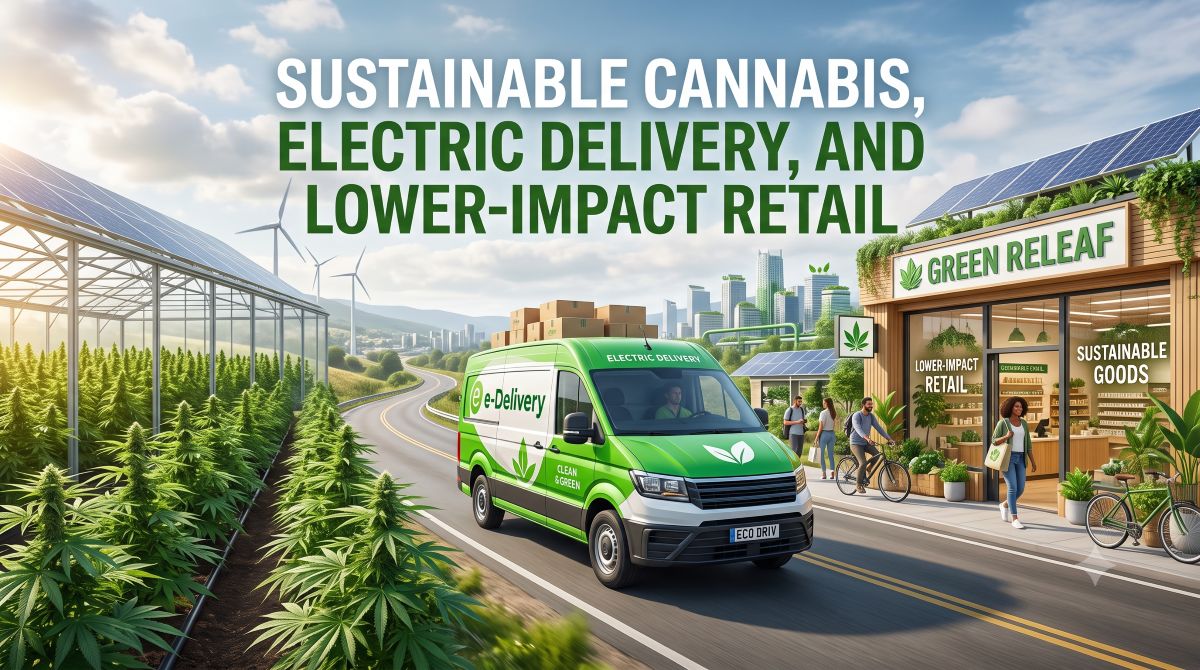
More Los Angeles shoppers are asking how their cannabis gets from farm to front door, and what that journey costs the environment along the way. At REBUD, sustainable cannabis and eco-friendly cannabis practices show up in three places customers can actually see: how the flower is grown, how it's delivered, and how it's packaged. This guide breaks down what those choices mean, what to look for on the menu, and how to ask better questions the next time you order.
Sungrown vs Indoor Sustainability
Cultivation method is usually the first fork in the road for anyone comparing environmental impact. Sungrown and indoor cannabis differ mainly in energy use, water handling, and land footprint, and each comes with its own tradeoffs.
What Sungrown vs Indoor Sustainability Means and Why It Matters
Sungrown cannabis is cultivated outdoors or in greenhouses using natural sunlight instead of high-intensity grow lights. This generally means lower electricity use compared to fully indoor operations, since sunlight replaces a large share of the lighting load. Indoor cultivation, by contrast, offers more control over climate and pest pressure, which some cultivators use to reduce water waste or avoid certain pesticide applications. Neither method is automatically "greener" in every category. Sungrown cultivation tends to use less energy, while indoor setups can sometimes manage water more precisely. The right comparison depends on the specific cultivator's practices, not the method alone. Climate also plays a role. Regions with long, mild growing seasons, like much of Southern California, are naturally better suited to sungrown cultivation than areas that rely on indoor growing year-round out of necessity.
What to Look For or Ask About in Store or on the Menu
Whether the flower is labeled sungrown, greenhouse, or indoor
Whether the cultivator publishes any energy or water practices
Whether the product uses living soil or regenerative growing methods
Whether the farm is located in-state, which can reduce transport distance
Budtenders at REBUD can walk you through sourcing details for specific brands carried on the REBUD menu, so don't hesitate to ask before you buy.
Electric Delivery Fleet
Cultivation is only part of the picture. For delivery-heavy markets like Los Angeles, the vehicles that bring cannabis to your door are a growing part of the sustainability conversation, and electric cannabis delivery is becoming a more visible option across the industry.
The Role of Electric Vehicles in Cannabis Delivery
Electric vehicles produce no tailpipe emissions, which is a meaningful difference for short, frequent delivery routes common in dense urban areas. As more delivery fleets in California add electric vehicles, local cannabis delivery services have followed the same trend, swapping gas vehicles for electric or hybrid models where it's operationally practical. REBUD is expanding its own green cannabis delivery options as EV infrastructure and range continue to improve.
Choosing Delivery Options with a Lower Environmental Impact
Ask whether electric or hybrid delivery is available for your zip code
Consolidate orders instead of placing several small ones in one week
Choose delivery windows that allow for route batching with nearby orders
Pick up in-store when a dispensary location is already on your route
None of these choices require a tradeoff in convenience. They simply make each trip count for more. Route batching in particular can meaningfully cut the number of miles driven per order, since a single vehicle can serve several nearby addresses instead of making separate trips across the city.
Sustainable Cannabis Packaging
Packaging is one of the most visible parts of the cannabis supply chain, and also one of the most regulated. State child-resistant packaging rules mean cannabis brands can't simply strip packaging down, so cannabis packaging sustainability is mostly about smarter materials rather than less packaging overall.
Reducing Waste Through Better Cannabis Packaging
Many brands are shifting toward recyclable, recycled-content, or plant-based materials for jars, tubes, and mylar bags, while still meeting child-resistant requirements. Some also reduce waste by right-sizing containers so a package isn't larger than the product inside it. According to California's cannabis regulatory guidance, packaging must remain child-resistant and tamper-evident regardless of material, which is why sustainable packaging innovation tends to focus on the materials used rather than removing safety features. Some brands are also cutting back on secondary packaging, like outer boxes or excess inserts, in cases where the primary container already meets compliance requirements on its own.
What Consumers Should Know About Sustainable Packaging Choices
Recyclability varies by local program, so check what your city accepts
Reused or refillable containers may be available through select brands
Compostable materials still require proper industrial composting to break down
If sustainable packaging matters to you, ask your budtender which brands on the REBUD menu prioritize it. It's an easy way to vote with your purchase without changing how you shop.
FAQ
What Is Sustainable Cannabis?
Sustainable cannabis refers to cultivation, delivery, and packaging practices designed to reduce environmental impact, such as sungrown growing methods, electric delivery vehicles, and recyclable packaging materials.
How Does Sustainable Cannabis Compare to Eco-Friendly Cannabis?
The terms are often used interchangeably. Both describe products and practices that aim to lower resource use and waste, whether that's through farming methods, transportation choices, or packaging materials.
What Does Green Cannabis Delivery Mean?
Green cannabis delivery generally refers to delivery services that use electric or hybrid vehicles, batch routes to reduce mileage, or otherwise aim to lower the environmental footprint of getting cannabis from the dispensary to the customer.