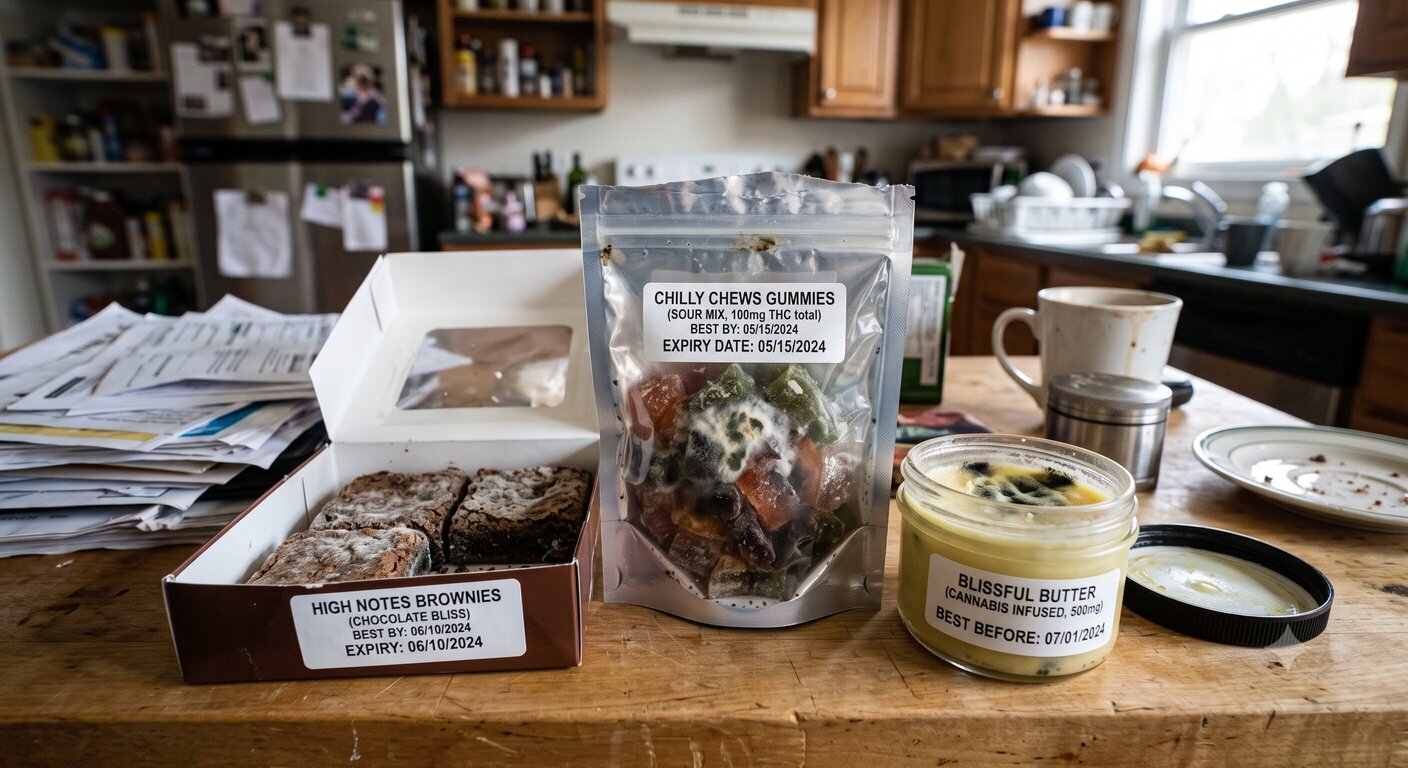
If you've ever found an old gummy at the bottom of your bag or a forgotten chocolate bar in your nightstand, you've probably wondered: do edibles expire? The short answer is yes — like any food product, cannabis edibles can and do go bad. But how fast that happens depends on the type of edible, how it's been stored, and whether the package has been opened. Understanding the shelf life of edibles helps you get the most out of every product and know when it's time to let one go.
Whether you're a first-time buyer or a regular consumer, this guide covers everything from shelf life by product type to storage best practices, the warning signs that an edible has passed its prime, and why sourcing from a licensed dispensary matters more than most people realize.
How Long Do Edibles Stay Good?
Most commercially produced edibles include a "best by" or expiration date on the packaging — and for good reason. Cannabis edibles contain food ingredients like sugars, fats, dairy, gelatin, and plant extracts, all of which degrade over time. On top of standard food spoilage, the THC and other cannabinoids in your edible can also break down, reducing potency even before the product shows visible signs of going bad.
Shelf life varies significantly by product type. A tincture stored in a dark cabinet can last years, while a homemade brownie might go stale within days. When you read the cannabis label on a dispensary product, you'll typically find a best-by date that gives you a reliable starting point for freshness planning.
Edibles Shelf Life by Type
Below is a breakdown of how long different types of cannabis edibles typically stay good under ideal storage conditions.
Tincture
Alcohol-based tinctures have one of the longest shelf lives of any cannabis product — often 1 to 2 years or more. The alcohol acts as a natural preservative, inhibiting microbial growth. Store in a dark glass bottle, away from heat and light, for best results.
Gummies
THC gummies are among the most popular options in the edibles category, and they typically last 6 to 12 months in an unopened, sealed package. Once opened, freshness drops quickly. Exposure to heat and humidity accelerates gelatin and sugar breakdown, causing gummies to melt, stick, or dry out.
Baked Goods
Baked goods — cookies, brownies, rice crispy treats — have the shortest shelf life in the edibles category. Without preservatives, they can go stale or develop mold within 3 to 7 days at room temperature. Refrigeration extends this to a few weeks; freezing can push it to 3–6 months. Always check for mold or an off-smell before consuming.
Chocolates
Cannabis chocolates typically last 6 to 12 months when stored in a cool, dry place. Chocolate is sensitive to temperature swings — it can bloom (develop a white, chalky coating) when exposed to heat and then re-cooled. While bloomed chocolate isn't necessarily unsafe, it signals degraded quality and may accompany accelerated cannabinoid breakdown.
Sublingual
Sublingual strips and lozenges generally share a shelf life of 1 to 2 years, similar to tinctures. They're shelf-stable because they contain little moisture and no perishable ingredients. Keep them in their original sealed packaging and away from humidity.
Syrups
Cannabis-infused syrups vary by formulation. Sugar-based syrups with preservatives can last up to 6 months unopened; natural or low-sugar versions may degrade faster. Once opened, refrigerate and use within 30 days. Always check for changes in color, smell, or consistency before use.
How to Store Cannabis Edibles for Maximum Freshness
Proper storage is the single biggest factor in extending an edible's shelf life. Poor conditions can cut the freshness window significantly — or worse, cause mold or rapid cannabinoid degradation. According to the FDA's food storage guidelines, temperature, light, moisture, and air exposure are the primary drivers of food spoilage — and the same principles apply directly to cannabis edibles.
Here's what to keep in mind:
-
Keep it cool. Heat accelerates both food spoilage and THC breakdown. Store edibles at room temperature or below — ideally in a cool pantry or refrigerator for chocolates and baked goods.
-
Minimize light exposure. UV light degrades cannabinoids over time. Research on cannabinoid stability has consistently identified light as one of the primary causes of THC loss in stored products. Keep edibles in opaque, sealed packaging or a dark cabinet.
-
Control humidity. Excess moisture encourages mold growth. Dry storage is best — avoid keeping edibles in bathrooms or near the stove.
-
Minimize air exposure. Oxygen oxidizes cannabinoids and degrades food ingredients. Reseal packages tightly after each use, or transfer contents to an airtight container.
-
Use original packaging. Dispensary packaging is often designed to be child-resistant and airtight. Keeping edibles in their original sealed packaging until ready to use is generally the best practice.
How Long Do Edibles Last When Opened?
Once you open a package, the clock speeds up. Air, humidity, and ambient temperature all begin affecting the product immediately. Here's a general freshness window by edible type after opening:
-
Gummies: 3–6 months if resealed in a cool, dry place; less in humid or warm conditions
-
Chocolates: 2–4 weeks at room temperature; up to 2–3 months refrigerated
-
Baked goods: 3–7 days at room temperature; 1–3 weeks refrigerated; 3–6 months frozen
-
Tinctures: 1 year or more if recapped and kept from heat and light
-
Syrups: 30 days refrigerated after opening
-
Sublinguals: Extended shelf life even after opening, provided they're kept dry and sealed
For products you won't finish quickly, portioning and freezing is a smart option — especially for baked goods. It's also worth thinking about pairing with food when consuming edibles, since high-fat meals are commonly associated with affecting how cannabinoids are absorbed by the body.
Signs That an Edible Has Expired
Even if an edible is within its best-by window, poor storage conditions can cause early degradation. Always assess a product before consuming it. Here are the key warning signs:
-
Visible mold: Any white, green, or fuzzy growth on a baked good or gummy is a clear sign to discard immediately. Mold isn't always visible on the surface — if the product smells musty, treat it as contaminated throughout.
-
Off smell: A rancid, stale, or chemical odor indicates fat or sugar breakdown. Cannabis edibles should smell like their base ingredients — chocolate, fruit, vanilla — not sour or musty.
-
Texture changes: Gummies that have melted and reformed, dried out completely, or turned excessively sticky may have degraded. Chocolates with significant bloom or a crumbling texture signal quality issues.
-
Discoloration: Unusual color shifts — graying chocolates, darkening syrups, yellowing baked goods — can indicate chemical degradation of ingredients.
-
Noticeably reduced effect: If a product is within date but feels significantly less potent than expected, cannabinoid degradation may be the cause. Research on cannabinoid chemistry shows that THC converts to CBN (cannabinol) over time, particularly when exposed to heat, light, and oxygen — a process that alters the product's effect profile.
If you're unsure whether a product is still good, it's always safer to replace it with a fresh one from a licensed dispensary.
Where to Get Fresh Edibles From?
The most reliable way to ensure you're consuming a fresh, accurately labeled product is to buy from a licensed dispensary. Dispensary products are tested by state-mandated third-party labs and must include expiration or best-by dates as required by California cannabis regulations. The California Department of Cannabis Control outlines exactly what regulated products must disclose — giving consumers full visibility into potency, ingredients, and freshness windows.
Rebud carries a curated selection of cannabis edibles from trusted California brands, all compliant with state testing and labeling requirements. Whether you're looking for gummies, chocolates, tinctures, or infused beverages, every product comes with proper dating so you can shop with confidence.
When shopping, look for products with a later best-by date — more time on the shelf means more flexibility in when and how you use the product. And if you've ever had questions about a product's freshness or the best storage method, dispensary staff are there to help you make the right call.
What Happens If You Eat Expired Cannabis Edibles?
Consuming an edible that's slightly past its best-by date isn't always dangerous in the same way eating spoiled meat would be — but it's not without risk. Here's what could happen depending on how far past expiration the product is:
-
Reduced potency: THC degrades into CBN over time. An older edible may feel less potent than expected, or produce a different effect profile. This makes edible dosing harder to manage when you're uncertain how much active compound remains.
-
Off taste: Degraded fats, sugars, or terpenes can make the edible taste stale, rancid, or simply unpleasant — noticeably different from when fresh.
-
Digestive discomfort: Consuming spoiled food ingredients — even in small amounts — can cause nausea, stomach upset, or other digestive symptoms. This is particularly relevant for edibles containing dairy, eggs, or other perishable components.
-
Mold-related health risks: If an edible has developed mold and is consumed, the risks are real. According to the CDC's guidance on molds and food safety, mycotoxins produced by certain molds can cause adverse health effects even in small quantities. Never consume an edible with visible mold.
The safest and most satisfying approach is always to consume edibles within their recommended window. When in doubt, replace the product with something fresh from a licensed dispensary.
FAQ
Should I Take a Small Bite to Check If an Expired Edible Is Still Good?
Taking a small bite is not a reliable safety test. Mold and bacterial contamination aren't always detectable by taste, especially in early stages. Visual inspection, smell, and texture are more accurate indicators. If any of those raise a concern, discard the product — don't try to taste-test your way to a decision. For edibles that appear visually fine but are past their best-by date, consider whether the likely reduced potency and possible off-flavor are worth the uncertainty.
Are Homemade Edibles More Difficult to Assess Than Dispensary Edibles?
Yes — significantly so. Homemade edibles don't undergo lab testing and don't include standardized expiration dates, making it difficult to gauge potency, ingredient stability, and safety with any confidence. They're also typically made without commercial-grade preservatives, so they tend to go stale or develop mold faster than dispensary products. Licensed dispensary products offer a clear advantage: transparent labeling, consistent third-party-tested potency, and full compliance with California's cannabis safety standards. If you do consume homemade edibles, pay close attention to storage and use them quickly — within a few days for baked goods.
Does the Expiration Date Mean the Edible Will Feel the Same Until Then?
Not necessarily. The best-by date reflects when the product is expected to maintain peak flavor and food quality — not a guarantee of consistent cannabinoid potency throughout the entire window. THC degradation begins shortly after production and continues through the product's life, influenced by light, heat, and air exposure. A gummy stored in a hot car for a week will likely have meaningfully lower potency than one kept in a cool cabinet, even if both are within their best-by window. Proper storage from the moment of purchase — combined with an understanding of the cannabis products shelf life for your specific product type — is the most reliable way to preserve both flavor and effect.